Futures
Reclaiming technology to sustain our shared life through care and democratic creativity

It’s late. Someone starts a conversation with an AI because they need to talk. In another home, a woman finishes her caregiving duties and realizes she won’t make it to the neighborhood meeting. A group of young people tries to understand why an app that promises to connect them makes them feel lonely. Somewhere, a community asks how much water the data center they want to build next to their homes will need.
What do these scenes have to do with democracy? Who can take the time to reflect, find support, make their voice heard, and have a say in the decisions that affect their lives?
When we think about tomorrow, it becomes increasingly difficult to separate our desires from a sense of vertigo. We’re promised a simpler life, yet we struggle to find the time to sustain it. We have tools to communicate around the clock, and yet finding companionship remains an unmet need. We can generate answers in seconds, but we need spaces where we can pause to consider which questions deserve a conversation.
In this third issue of Wilder Journal, we explore these Democratic Anxieties. Artificial intelligence lies at the heart of many of them, although their roots run deep into problems we’ve long been familiar with: inequality, loneliness, the distribution of care, and the gap between the decisions that affect our lives and our ability to influence them.
- What can we build from there?
- How can we transform uncertainty into an opportunity to organize ourselves?
- Is it possible to learn and decide collectively?
At Platoniq, we work with a firm conviction: the ability to imagine other futures grows when we can experience what it would be like to live differently. That’s why we create spaces where a concern can become a scene, an experience can challenge a norm, and a conversation can spark a proposal for change. Creativity allows us to explore what is still difficult to express and to test responses that have not yet found a place within institutions.
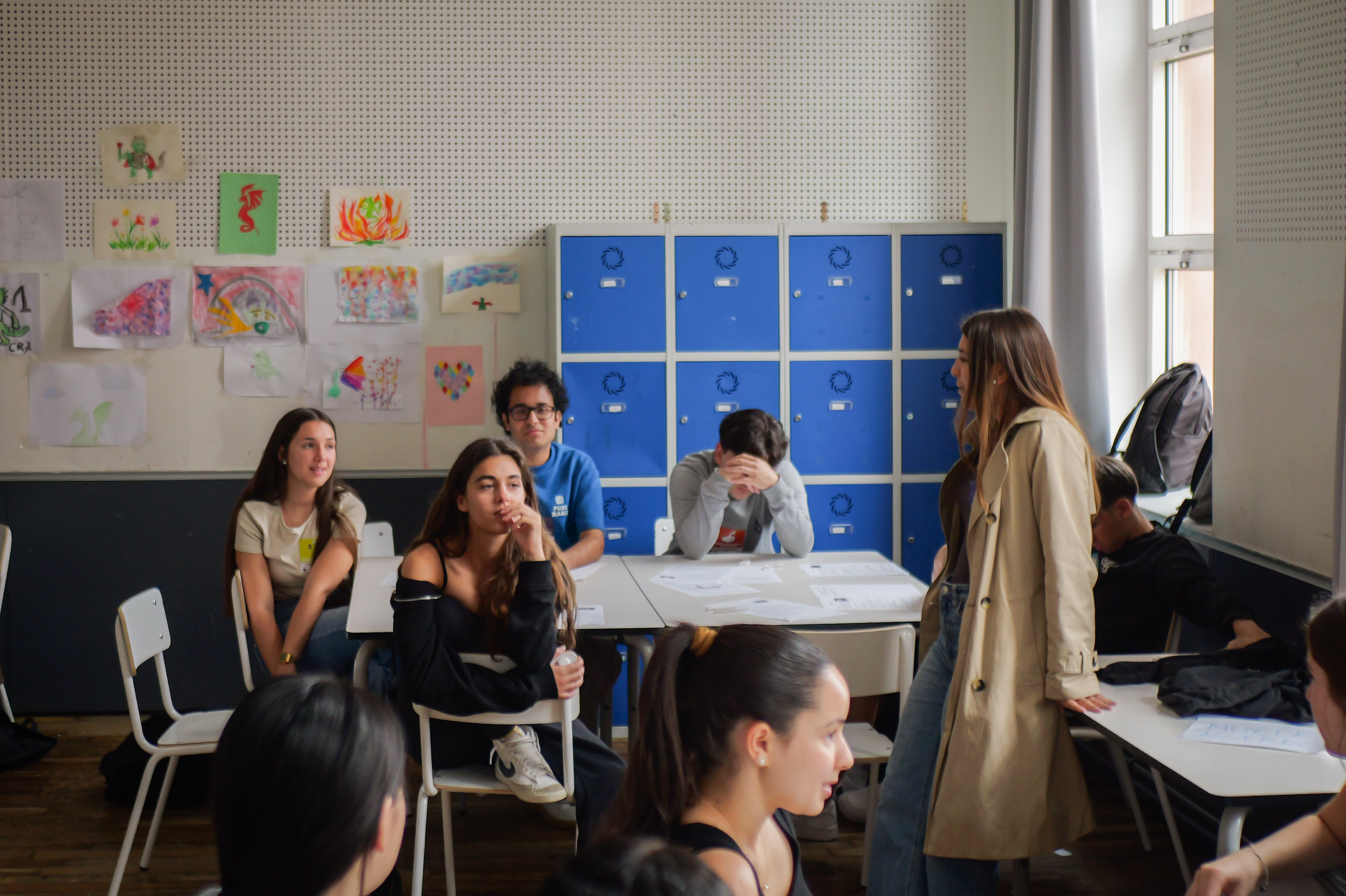
This work takes on special meaning when we work with children and young people. We often talk about their future without asking them how they’re experiencing the present. We worry about their digital habits, their mental health, or their relationship with politics, but we offer them few opportunities to have a say in the decisions that shape those experiences.
Listening to them requires time and a willingness to let ourselves be surprised. It means recognizing the wisdom found in their contradictions: enjoying technology while feeling trapped by it; finding support on a screen while missing someone on the other side; using AI to study while wondering if they’re actually learning. These experiences raise questions about autonomy, belonging, and power that deserve to be part of the public debate.
When we bring deliberation into the classroom or create spaces for young people to be creative, we bring into play the possibility of exercising democracy in everyday life. Listening to another perspective, disagreeing, proposing a rule, revisiting a decision, or discovering that a sense of unease is shared—these are all experiences that build political capacity. For that capacity to grow, adults and institutions must be willing to share decision-making and respond to what emerges.
What changes when those who are typically the objects of protection can also participate in defining what they need?
The question extends far beyond age. It cuts across our work with social organizations, communities, and individuals whose experiences struggle to gain recognition. It forces us to reconsider who can attend a meeting, who has the necessary time, what forms of expression we accept, and what happens to contributions once a participatory process ends.
This is where care comes in—in the organization of time, in the resources that make it possible to be present, in the trust to speak, and in the freedom to remain silent. It lies in the possibility of participating without having to constantly expose oneself, justify one’s own pain, or bear alone the consequences of making oneself visible.
Caring for democracy requires attending to the relationships that sustain it and distributing the work that allows them to exist. It also involves acknowledging conflict. A democratic space must be able to accommodate uncomfortable questions, persistent differences, and experiences that challenge its own rules. Listening takes on political significance when it allows for change—including in those of us who convene and facilitate these spaces.
Esta mirada orienta nuestra relación con la tecnología. Nos interesa qué capacidades amplía, qué dependencias genera y cómo distribuye la autoridad. ¿Nos ayuda a construir criterio? ¿Favorece el encuentro con otras personas? ¿Podemos discutir sus objetivos, modificar sus reglas y decidir cuándo prescindir de ella?
The answers require an imagination that goes beyond what platforms offer us. We can create infrastructures where communities govern their own narratives, where sharing knowledge strengthens bonds, and where diversity does not have to disappear in order to produce a synthesis. We can ask ourselves what it means to design from a place of care and what material commitments that decision requires.
Because the digital world is also made up of bodies, labor, water, energy, and territory. The futures we imagine have consequences for other lives. Expanding our capacity to make decisions means recognizing those relationships and opening up decision-making to those who bear the costs.
This issue emerges from that intersection of creativity, care, and democratic power. We want to explore how to reclaim time to think together, how to build bonds that sustain collective action, and how to transform the knowledge of everyday life into the capacity for change.
In the previous issue, we invited readers to imagine shared futures. Now we ask ourselves what conditions will make it possible to live in them. There is much to explore: other ways of learning, of supporting one another, of managing our tools, and of sharing responsibilities.
The future takes shape through these practices. In a young girl who discovers that her question matters. In a group that manages to identify a shared problem. In a community that organizes itself and finds a way to change a decision.
Making the future livable begins with building, starting now, the capacity to care for it and shape it together.
__
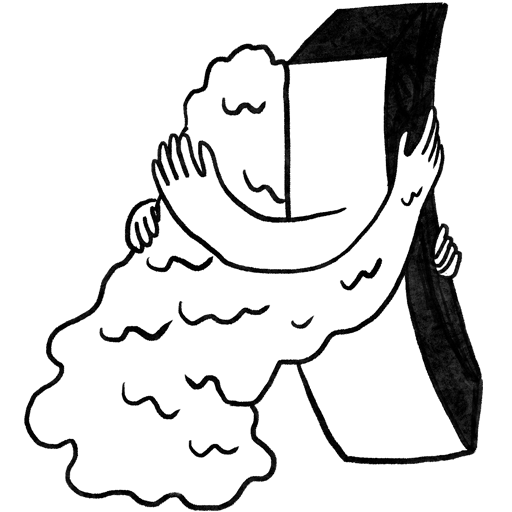
*The artwork for this issue is by Carolina Luciana Roncoli