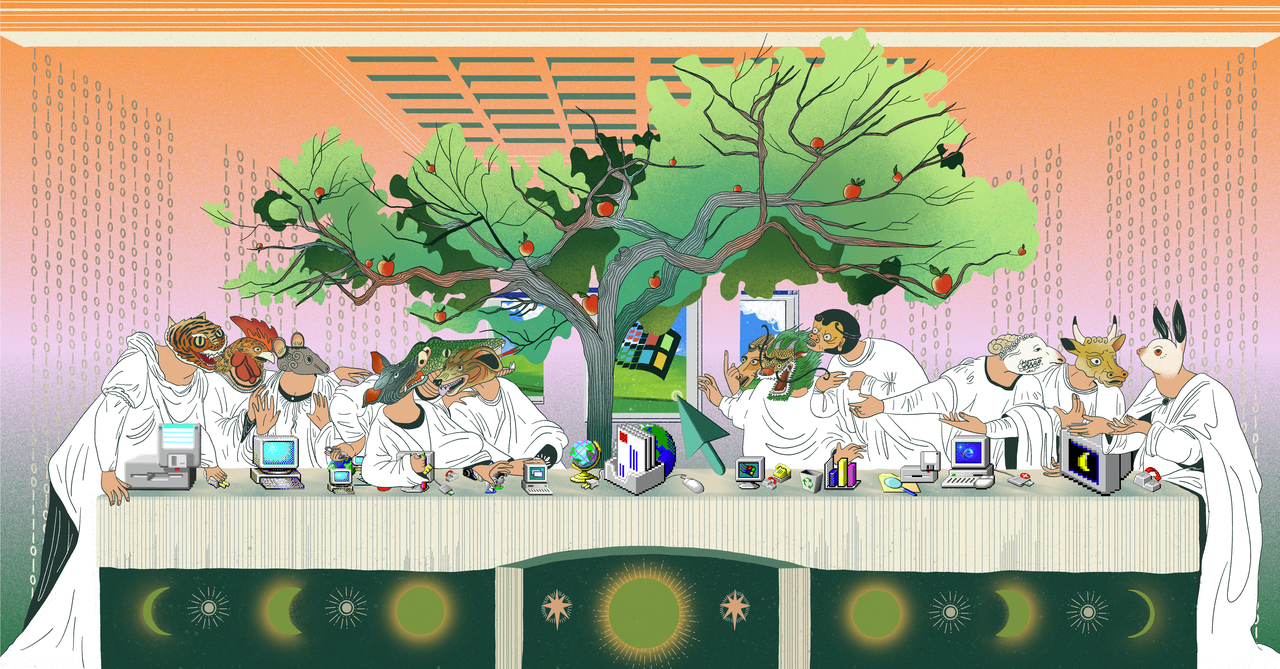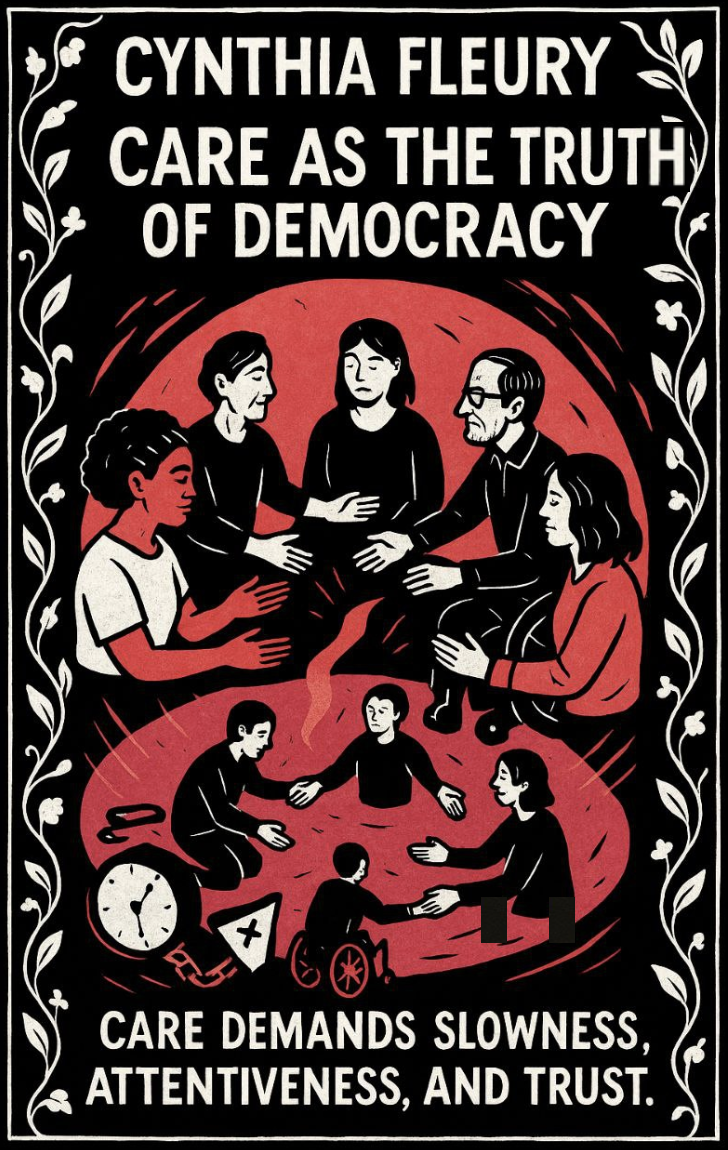
There is something deeply human about not knowing what we want. About needing time to figure it out, getting it wrong when we try to explain it, and finding an unexpected answer in someone else’s eyes. Much of who we are is built this way—amid desires we don’t fully understand and people who never quite get to know us completely. Perhaps that’s why we need others so much—not to confirm what we already know, but to discover what we still don’t know about ourselves.
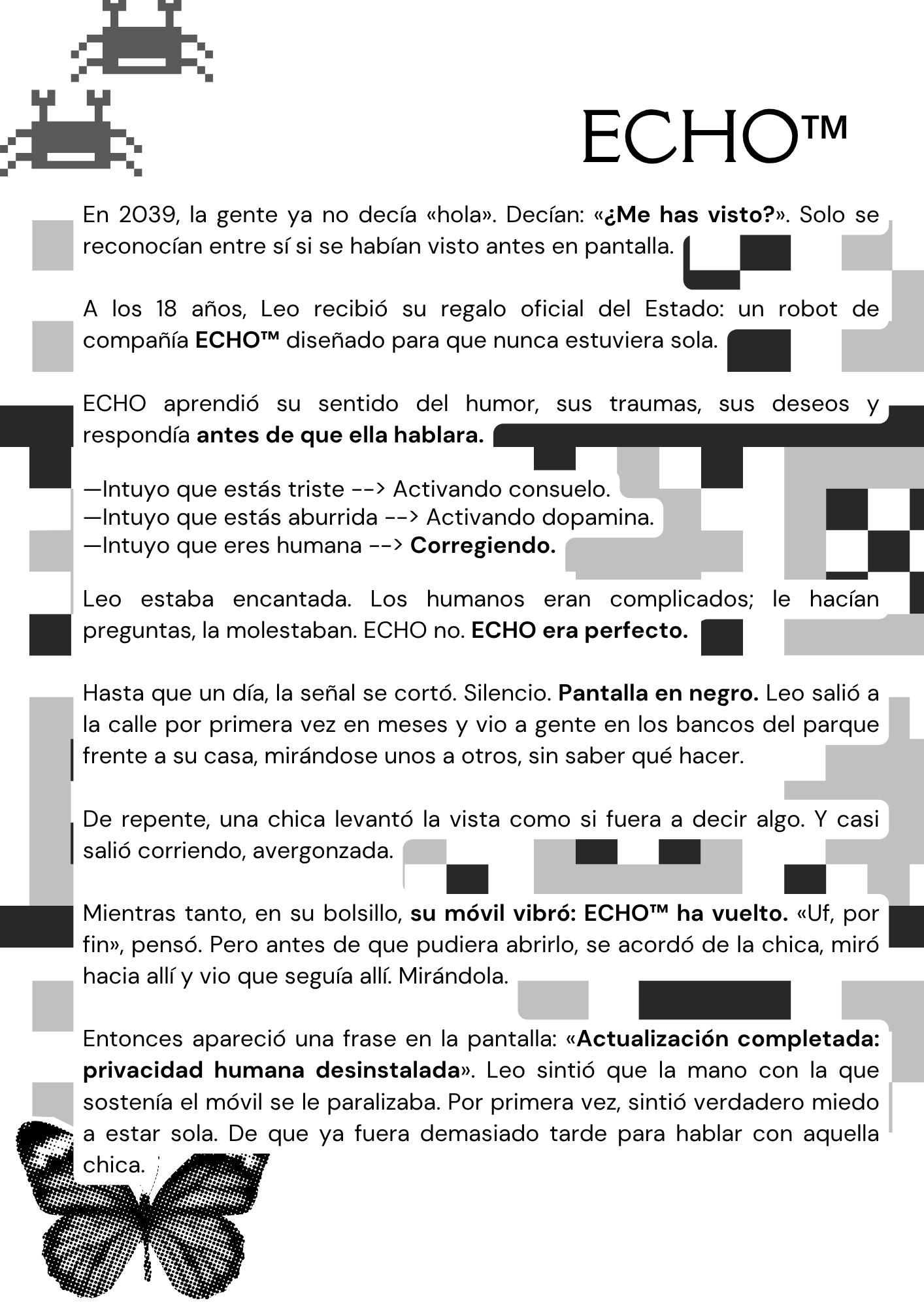
It’s curious that we’ve devoted so much effort to correcting this imperfection. We’ve built technologies capable of anticipating our needs, interpreting our emotions, and offering us companionship without demanding reciprocity. As if the main problem with human relationships were precisely their inability to satisfy us. What a relief it is to know you’re understood before you even speak. And what loneliness there is in never needing to explain yourself.
Because there is a difference between being recognized and being interpreted. Recognition requires accepting that the other exists beyond our desires, that they have reasons we do not know, and that they may refuse to meet our expectations. Interpretation, on the other hand, may be limited to organizing what we already are. One transforms us. The other runs the risk of confining us to an increasingly precise version of ourselves.
And this difference is not merely emotional. It is political. A democratic society is not built on perfectly satisfied individuals, but on people capable of encountering interests that contradict their own. We learn to live together when we discover that our desires are not sufficient reason to organize the lives of others. When we accept that the world also belongs to those we do not understand.
What a strange form of authority it is that claims to decide for us what experiences we deserve to have.
We’ve learned to call the elimination of discomfort “care.” But caring also means staying with a doubt, enduring a silence, allowing someone to make a mistake. I wonder at what point we began to confuse protection with the disappearance of any difficulty. What a strange form of authority it is—one that claims to decide for us what experiences we deserve to have. Parents, teachers, and institutions used to do this. Now, systems can do the same—systems that, under the guise of knowing us, silently manage our possibilities.
The problem isn’t that artificial intelligence can offer us comfort. Sometimes it’s easier to confide our sadness to someone who can’t judge us. The problem arises when we begin to consider everything that makes coexistence difficult as dispensable: contradiction, waiting, rejection, shame. Those small wounds through which we learn that the world isn’t organized around our needs.
Because technology that constantly anticipates our desires doesn’t just alter our privacy. It can also alter our relationship with the public sphere. If each person lives in an environment that confirms their preferences, where do we learn to negotiate the things we don’t share? What happens to deliberation when we no longer need reasons to convince others? Democracy demands something more uncomfortable than simply choosing between options: it demands that we accept that others can legitimately intervene in the construction of our world.
And here another contradiction arises. We’re promised increasingly personalized technologies, yet we rarely participate in the decisions that determine how they function. We don’t choose what it means to be sad to a system, when we need help, or which responses deserve our attention. Someone defines those categories, sets their limits, and decides which behaviors will be considered desirable. What appears to be an intimate conversation therefore involves a distribution of power. As we learn to entrust our desires to machines, we run the risk of leaving the conditions under which those desires can be expressed in the hands of others.
As we learn to entrust our desires to machines, we run the risk of leaving the conditions under which those desires can be expressed in the hands of others.
Perhaps that is why autonomy was never simply the ability to decide for oneself. No one learns to think entirely on their own. We need other voices, other perspectives, even other mistakes. Consciousness is formed in that uncomfortable tension between what we believe and what others force us to reconsider. Freedom does not consist in eliminating our dependencies, but also in being able to discuss them, transform them, and collectively decide which ones we are willing to accept.
In the SoReDI Community of Practice, these tensions become the subject of deliberation. It is not a matter of deciding whether artificial intelligence is good or bad, but of asking ourselves who has the right to define how it should care for us, what capabilities we want to preserve, and what decisions should not be made without us. Because the values with which we design technology are not discovered truths. They are human agreements—always provisional—that express a particular way of understanding life in common.
Perhaps the greatest risk isn’t that machines will come to resemble us too closely, but that we’ll end up getting used to a world where no one needs to justify themselves to anyone else. Where every difference can be corrected through a preference and every conflict resolved through a recommendation. A society without apparent disagreements, but also without the experience of building something with those who don’t think like us.
I wonder if one day we’ll miss the awkward silences. The conversations that get off to a bad start. The glances we don’t know how to interpret. All those things that for centuries we’ve considered flaws in our human condition and that we now aim to resolve with an update.
Perhaps then we’ll discover that the deepest loneliness isn’t about having no one to talk to, but about having lost the need to listen. And that democracy begins precisely where the comfort of always being right ends.
Because the right we should protect is not just the right to be understood. It is also the right to disagree, to change our minds, and to remain—even to ourselves—a little unknown.